World Sepsis Day: Know the Signs, Act Fast
World Sepsis Day: Know the Signs, Act Fast Every year on September 13, World Sepsis Day draws attention to a…

Every year on September 13, World Sepsis Day draws attention to a condition that moves fast and is often misunderstood. Sepsis is a documented infection or suspected infection associated with life-threatening organ dysfunction not a disease, but the body’s own extreme response to an infection. It can begin with something as ordinary as a urinary tract infection, pneumonia, or an infected wound, and within hours, it can turn into a medical emergency. This day exists because minutes matter with sepsis and knowing the warning signs can be the difference between a full recovery and a life put at serious risk.
What Is Sepsis?
According to the Centers for Disease Control and Prevention, sepsis occurs when the body’s response to an infection spirals out of control, triggering widespread inflammation that can damage tissue and organs. Instead of fighting off the infection in a contained way, the immune system’s reaction itself becomes the danger, potentially leading to organ failure, septic shock, and death if not treated quickly.
It is important to understand that sepsis can develop from almost any infection, bacterial, viral, or fungal, and it does not require a dramatic or unusual illness to begin. A minor-seeming infection that is left untreated, or that occurs in someone with a weakened immune system, can progress to sepsis surprisingly quickly.
Why Sepsis Is a Medical Emergency
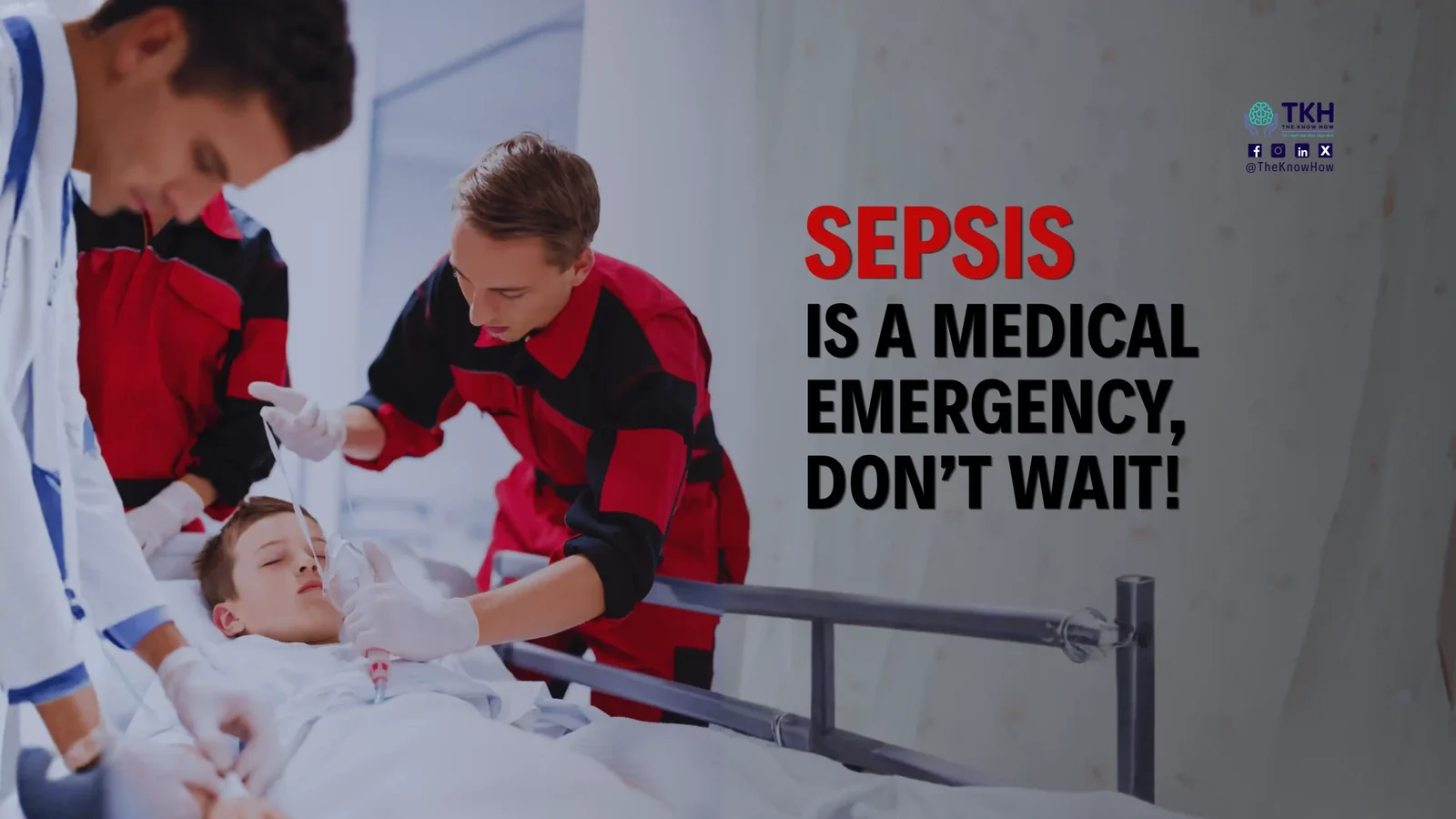
Sepsis can escalate from early symptoms to organ dysfunction within hours, which is what separates it from most other infection-related complications. Every hour that treatment is delayed is associated with a measurable increase in risk, which is why sepsis is treated as a time-critical emergency in every hospital setting, in the same category as a heart attack or stroke.
This urgency is also why awareness matters so much. Sepsis often develops in people who are already unwell, recovering from surgery, or managing another condition, which can make new symptoms easy to dismiss as part of an existing illness rather than a separate emergency unfolding in real time.
Recognizing the Signs of Sepsis
Because sepsis stems from an underlying infection, its symptoms can be easy to confuse with the infection itself, at least initially. Signs that indicate a possible progression to sepsis include:
- Fever, chills, or an unusually low body temperature
- Confusion, disorientation, or noticeable difficulty thinking clearly
- Rapid heartbeat or rapid, shallow breathing
- Cold, clammy, pale, or discoloured skin
- Extreme pain or discomfort, often described as the worst a person has felt
- Low urine output or unusual sleepiness and difficulty waking
Not every person with an infection will develop sepsis, and having a fever alone does not mean sepsis is present. What matters clinically is the combination and severity of these signs, especially when they appear alongside a known or suspected infection and seem to be getting worse rather than better.
Who Is Most at Risk?
While sepsis can affect anyone, certain groups face a higher risk of developing it, including infants, older adults, people with chronic conditions such as diabetes, kidney disease, or lung disease, individuals with weakened immune systems, and anyone recovering from recent surgery or a hospital stay. Recognizing this heightened risk is particularly important for caregivers looking after vulnerable family members, since early symptoms in these groups can sometimes be more subtle.
The Path to Diagnosis and Treatment
Sepsis is typically diagnosed through a combination of clinical evaluation and tests, including blood tests to check for infection markers, organ function, and lactate levels, alongside vital sign monitoring for heart rate, breathing rate, blood pressure, and temperature. Doctors may also run imaging or cultures to identify the source of the underlying infection.
Once identified, treatment usually begins immediately and can include intravenous antibiotics, fluids to support blood pressure and organ function, oxygen support, and in more severe cases, admission to an intensive care unit. Because timing is so critical, hospitals generally follow structured emergency protocols designed to begin treatment as quickly as possible after sepsis is suspected, often before all test results are even back.
Why Awareness Matters in the UAE
Public awareness has a direct and measurable impact on sepsis outcomes, because recognizing the signs early is what gets a patient into emergency care in time for treatment to be most effective. In the UAE, as globally, sepsis can be under-recognized outside of hospital settings, particularly when symptoms follow a seemingly minor infection or a recent illness that already seemed to be resolving.
Recovery After Sepsis
Surviving sepsis is often just the beginning of a longer recovery process. Many patients experience what is known as post-sepsis syndrome, which can include prolonged fatigue, muscle weakness, difficulty concentrating, sleep disturbances, and emotional effects such as anxiety or low mood. Physical recovery, particularly after a stay in intensive care, can take weeks or months, and organ function may take time to return to baseline fully.
Understanding that recovery is a process, not a single milestone, helps set realistic expectations for patients and families alike. Follow-up care, rehabilitation support, and open communication with the care team all support a smoother recovery.
When to Seek a Second Opinion
While the initial treatment of sepsis is a time-critical emergency best handled by the nearest capable hospital, there are points along the journey where a second opinion becomes genuinely valuable. These include:
- When recovering from sepsis and experiencing lingering or unexplained symptoms
- If organ function has not returned to normal and follow-up recommendations feel unclear
- When post-sepsis syndrome is suspected but has not been formally addressed
- Before undergoing further major treatment related to complications from the initial infection
- Simply to gain clarity and confidence about the path to full recovery
A second opinion in these situations does not replace emergency care, but it can offer valuable clarity during the recovery phase, when decisions are less urgent but no less important. Getting a specialist’s review of ongoing symptoms or a long-term care plan can help ensure that recovery, not just survival, remains the focus.
Once the immediate danger has passed, ongoing support during recovery matters just as much. Patience with the physical and emotional after-effects of sepsis, along with encouragement to follow up on lingering symptoms, can make a meaningful difference in how fully someone recovers.
World Sepsis Day exists because awareness saves lives. Sepsis can develop quickly from infections that seem manageable at first, which makes recognizing the signs- fever, confusion, rapid heartbeat or breathing, and cold or clammy skin- one of the most important things anyone can learn. Acting fast when these signs appear, and seeking clarity during recovery when questions remain, both play a part in getting through sepsis and back to full health.
Taking the Next Step: Get Expert Guidance on World Sepsis Day
A contribution by Dr. Habab
@TheKnowHow
This article is for general health information and does not replace advice from your treating physician.